Homeowners Insurance in and around Chicago
Protect what's important from disaster.
The key to great homeowners insurance.

Would you like to create a personalized homeowners quote?
See If You Can Insure Your Home With State Farm's Homeowners Insurance
Your home and possessions have monetary value. Your home is more than just a roof over your head. It’s all the memories you’ve made there. Doing what you can to keep your home protected just makes sense! That's why one of the most sensible steps is to get excellent homeowners insurance from State Farm.
Protect what's important from disaster.
The key to great homeowners insurance.

Don't Sweat The Small Stuff, We Can Help
For insurance that can help insure both your home and your keepsakes, State Farm has options. Agent Win Walker's team is happy to help you create a policy today!
Having outstanding homeowners insurance can be important to have for when the unanticipated arises. Visit agent Win Walker's office today to figure out what works for your home insurance needs.
Have More Questions About Homeowners Insurance?
Call Win at (773) 928-2170 or visit our FAQ page.

Protect your place from electrical fires
State Farm and Ting* can help you prevent electrical fires before they happen - for free.
Ting program only available to eligible State Farm Non-Tenant Homeowner policyholders
Explore Ting*The State Farm Ting program is currently unavailable in AK, DE, NC, SD and WY
Simple Insights®
Buying a home

Buying a home
There are advantages and disadvantages to buying or renting homes. What should be considered when looking for a home? Learn how to search for a homes and what to consider when financing.
How to use your hand tools more safely
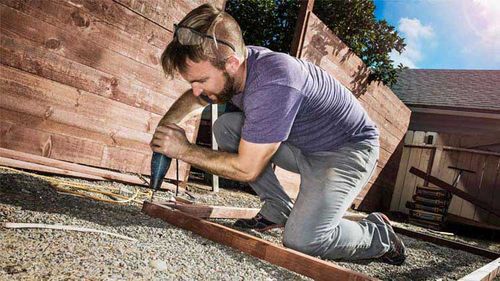
How to use your hand tools more safely
Simple safety tips to help you choose and use your hand tools before you start your next DIY project and how to maintain them and protect yourself and others.

Would you like to create a personalized homeowners quote?
Protect your place from electrical fires
State Farm and Ting* can help you prevent electrical fires before they happen - for free.
Ting program only available to eligible State Farm Non-Tenant Homeowner policyholders
Explore Ting*The State Farm Ting program is currently unavailable in AK, DE, NC, SD and WY
Simple Insights®
Buying a home
Buying a home
There are advantages and disadvantages to buying or renting homes. What should be considered when looking for a home? Learn how to search for a homes and what to consider when financing.
How to use your hand tools more safely
How to use your hand tools more safely
Simple safety tips to help you choose and use your hand tools before you start your next DIY project and how to maintain them and protect yourself and others.